
Hydropower Investment In Nepal-Himalayan
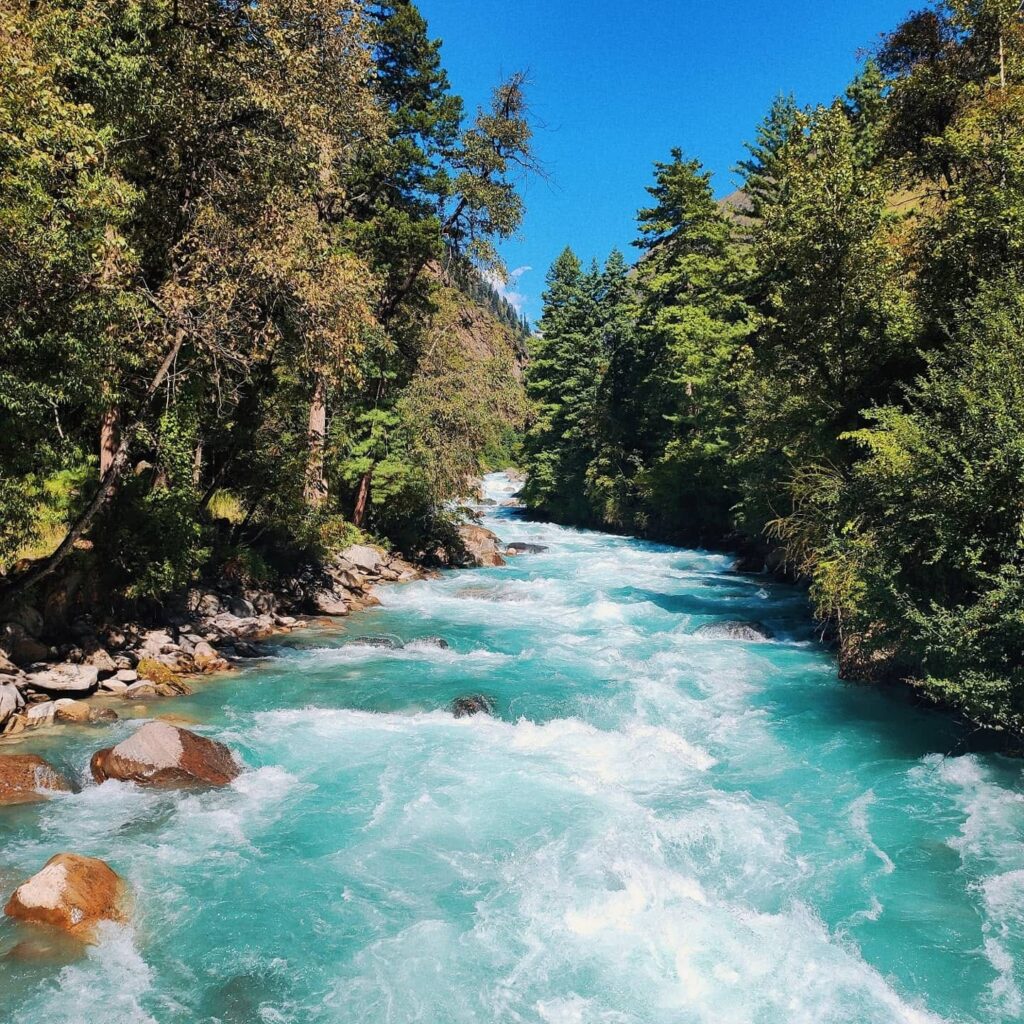
Hydropower Investment in Nepal: Unlocking the Potential of the Himalayas
Nepal, often referred to as the “Water Tower of Asia,” is a landlocked country blessed with immense hydropower potential. With over 6,000 rivers and an estimated capacity to generate 83,000 MW of hydropower, Nepal stands as one of the most promising destinations for hydropower investment in South Asia. For investors seeking opportunities in renewable energy, Nepal’s hydropower sector offers a unique blend of natural resources, government incentives, and growing demand. This blog explores why hydropower investment in Nepal is a smart choice, the challenges involved, and the steps to capitalize on this lucrative opportunity.
For investors seeking opportunities in renewable energy, Nepal’s hydropower sector offers a unique blend of natural resources, government incentives, and growing energy demand. The country’s rivers, fed by the perennial snowmelt from the Himalayas, provide a consistent and reliable source of water for hydropower generation. Additionally, Nepal’s strategic location between two economic powerhouses—India and China—creates a lucrative opportunity for cross-border energy trade, further enhancing the appeal of hydropower investment in Nepal.
Why Hydropower Investment in Nepal is a Game-Changer?
Abundant Water Resources
Nepal’s rivers, fed by the Himalayan glaciers, provide a consistent and reliable source of water for hydropower generation. The country’s topography, with steep gradients and high elevations, makes it ideal for both run-of-river and reservoir-based projects.Growing Energy Demand
Nepal’s domestic energy demand is rising rapidly due to urbanization, industrialization, and population growth. Despite its vast potential, Nepal currently generates only a fraction of its hydropower capacity, leading to frequent power shortages. Investing in hydropower can help meet this growing demand and reduce reliance on imported electricity.Government Support and Incentives
The Nepalese government has prioritized hydropower development as a key driver of economic growth. Policies such as tax holidays, simplified licensing processes, and attractive power purchase agreements (PPAs) make hydropower investment in Nepal highly appealing. Additionally, the government has opened the sector to foreign investment, providing a secure and transparent environment for investors.Export Potential to Neighboring Countries
Nepal’s strategic location between India and China offers significant export opportunities. With cross-border transmission lines already in place and more under development, Nepal can supply surplus electricity to its energy-hungry neighbors, creating a steady revenue stream for investors.Alignment with Global Sustainability Goals
Hydropower is a clean and renewable energy source, making it a key component of global efforts to combat climate change. By investing in Nepal’s hydropower sector, investors can contribute to sustainable development while earning attractive returns.
Challenges in Hydropower Investment in Nepal
While the opportunities are vast, hydropower investment in Nepal comes with its own set of challenges:
Infrastructure Limitations
Nepal’s rugged terrain and underdeveloped infrastructure can increase project costs and timelines. Building access roads, transmission lines, and other facilities requires significant upfront investment.Regulatory and Bureaucratic Hurdles
Despite government support, navigating Nepal’s regulatory environment can be complex. Investors must obtain multiple permits, environmental clearances, and community approvals, which can lead to delays.Geopolitical Risks
Nepal’s landlocked location and reliance on neighboring countries for trade and transit can pose geopolitical risks. Changes in regional policies or relations may impact project viability.Environmental and Social Concerns
Hydropower projects can have environmental and social impacts, such as displacement of local communities and disruption of ecosystems. Investors must adhere to strict environmental standards and engage in meaningful community consultations to ensure sustainable development.
Success Stories in Nepal’s Hydropower Sector
Several hydropower projects in Nepal have demonstrated the sector’s potential:
Upper Tamakoshi Hydropower Project (456 MW): Nepal’s largest domestically funded project, showcasing the country’s capability to develop large-scale hydropower.
Arun III Hydropower Project (900 MW): A flagship project developed with foreign investment, highlighting the growing interest of international players in Nepal’s hydropower market.
These success stories underscore the viability of hydropower investment in Nepal and serve as a blueprint for future projects.
Steps to Invest in Nepal’s Hydropower Sector
Conduct Thorough Market Research
Understand Nepal’s hydropower potential, regulatory framework, and market dynamics. Identify suitable projects based on size, location, and feasibility.Partner with Local Experts
Collaborate with local companies, consultants, and government agencies to navigate the regulatory landscape and gain insights into the market.Secure Financing
Explore funding options, including international development banks, private equity, and government grants. Nepal’s hydropower sector has attracted significant interest from global investors and institutions.Ensure Compliance and Sustainability
Adhere to environmental and social standards to minimize project risks and ensure long-term sustainability. Engage with local communities and stakeholders to build trust and support.Leverage Export Opportunities
Develop strategies to export surplus electricity to neighboring countries, ensuring a steady revenue stream and maximizing returns on investment.
The Future of Hydropower Investment in Nepal
Nepal’s hydropower sector is poised for exponential growth, driven by increasing energy demand, government support, and export potential. For investors, hydropower investment in Nepal offers a unique opportunity to be part of a transformative journey—powering Nepal’s economic growth while contributing to global sustainability goals.
As the world transitions to cleaner energy sources, Nepal’s rivers are more than just water—they are a source of endless opportunity. The time to act is now.
Conclusion
Hydropower investment in Nepal is not just a financial decision; it’s a commitment to sustainable development and a greener future. With the right strategies, partnerships, and perseverance, investors can unlock the immense potential of Nepal’s hydropower sector and reap significant rewards.
Are you ready to explore hydropower investment in Nepal? The Himalayas are calling!